
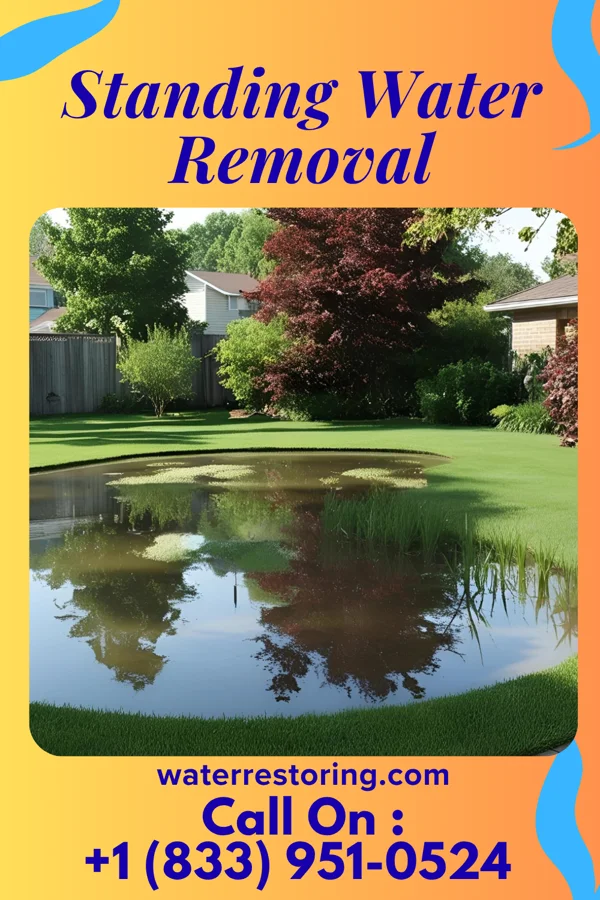
Queensland Standing Water Drivers
Water damage in Queensland tends to cluster in predictable windows because of the local climate. In Queensland, Maryland, primary water damage often results from residential plumbing failures, such as burst pipes and leaking water heaters, which are common in older homes. Additionally, localized flooding from nearby waterways or heavy rainfall can lead to significant water intrusion in basements and low-lying areas. A close second is Secondary causes include roof leaks from damaged shingles, HVAC system condensation, and improper drainage around properties. These issues are exacerbated by the area's seasonal rainfall and proximity to natural water sources..
Queensland, Maryland experiences a mix of humid summers and mild winters, increasing the risk of mold growth and prolonged water damage if not addressed promptly. The region's proximity to the Patuxent River also raises the likelihood of flooding during heavy storms.
Queensland, Maryland experiences a mix of humid summers and mild winters, increasing the risk of mold growth and prolonged water damage if not addressed promptly. The region's proximity to the Patuxent River also raises the likelihood of flooding during heavy storms. The dominant local driver is In Queensland, Maryland, primary water damage often results from residential plumbing failures, such as burst pipes and leaking water heaters, which are common in older homes. Additionally, localized flooding from nearby waterways or heavy rainfall can lead to significant water intrusion in basements and low-lying areas., with Secondary causes include roof leaks from damaged shingles, HVAC system condensation, and improper drainage around properties. These issues are exacerbated by the area's seasonal rainfall and proximity to natural water sources. showing up as the next most common cause. Damage builds in stages. Spread. Absorption. Microbial growth. Structural compromise. Every stage you pass through adds to the final bill.